Working with Pilates Clients with Hip Labral Tears
Nov 1
As Pilates instructors, we often see clients who come to the studio with a history of hip pain. One common source of discomfort is a hip labral tear, a condition that can range from mild to moderate, often presenting as groin pain, catching, or a feeling of instability in the hip.
While these clients can still benefit greatly from Pilates, it’s important to understand how to modify movement safely to support healing and avoid aggravating symptoms.
Understanding the Hip Labrum
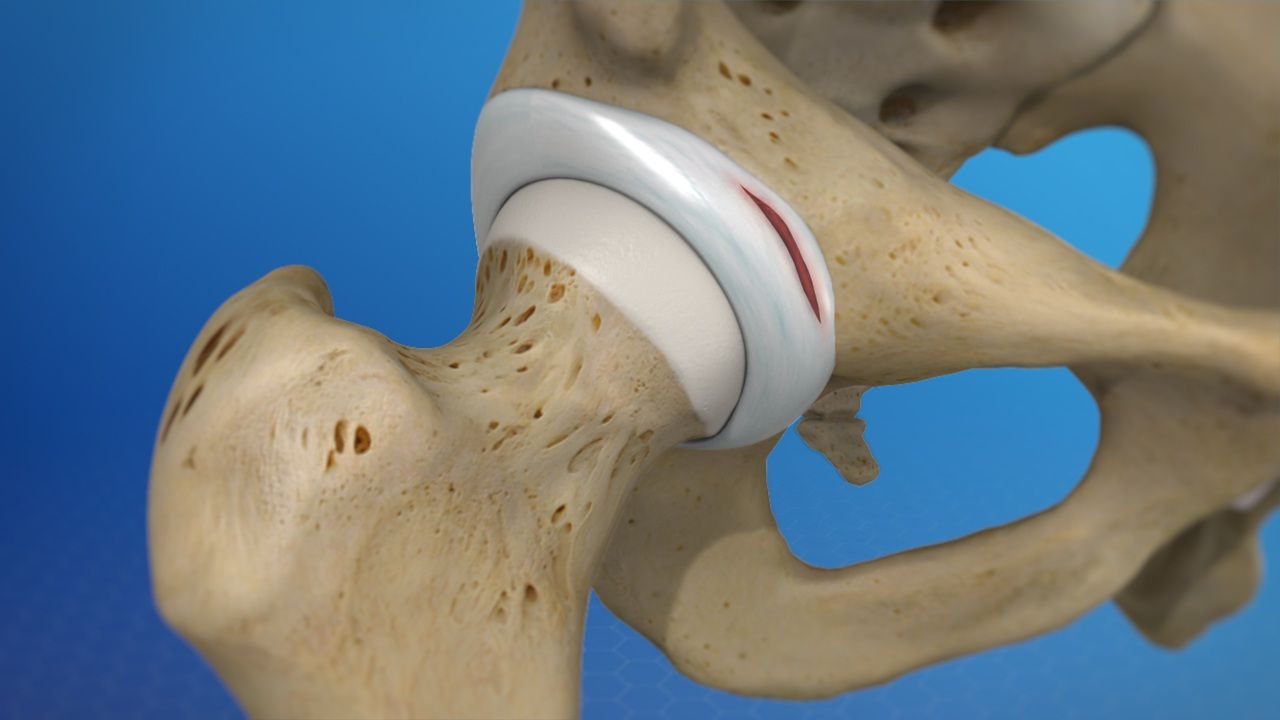
The hip labrum is a ring of cartilage that lines the acetabulum (hip socket). It deepens the socket, improves joint stability, and helps distribute load through the hip joint. A tear in the labrum can occur from repetitive stress, sports, trauma, or structural changes in hip anatomy.
Symptom Presentation of Hip Labral Tears
Groin pain with sitting, pivoting, or twisting
Pain with hip flexion activities (tying shoes, sitting in low chairs)
A clicking or catching sensation in the hip
Hip stiffness and decreased range of motion
Pilates can help by improving core stability, glute strength, and controlled range of motion, all of which protect the hip and reduce excessive stress.
Movements to Avoid in Clients with Labral Tears
While Pilates is safe and effective, some movements can place unnecessary strain on the labrum and worsen symptoms.Here are three movement patterns to avoid:
1. Bridging (Mat or Reformer):
Focus: Glute and core activation, pelvic stability.
Cue: Keep feet hip-width, avoid excessive lumbar extension, and move in a slow, controlled lift.
2. Side-Lying Leg Press / Side-Lying Leg Series
Focus: Glute medius and lateral hip stability.
Cue: Work in neutral hip alignment, small controlled ranges, and avoid excessive external rotation
3. Quadruped Hip Extensions (All Fours Leg Lifts)
Focus: Posterior chain activation and hip stability.
Cue: Maintain neutral spine, avoid lifting leg too high (keep below hip height).
4. Footwork on the Reformer (Parallel Position)
Focus: Functional strength and lower limb alignment with controlled hip loading.
Cue: Use moderate spring tension, stay in parallel, and keep movement smooth and pain-free.
Key Takeaways for Pilates Instructors
Working with clients who have hip labral tears requires careful programming and movement awareness. By avoiding deep hip flexion past 90°, end-range hip external rotation in extension, and ballistic loading, and instead focusing on bridging, side-lying work, quadruped strengthening, and supported footwork, you can help clients stay strong and mobile without aggravating their hip.
As always, encourage clients to listen to their bodies, stay within pain-free ranges, and collaborate with healthcare professionals for comprehensive care. Pilates instructors have the unique ability to help these clients stay strong, mobile, and confident in their movement.
Our students love us
CIA has been transformative in how I approach my sessions with clients. The curriculum provides so much information on how to best serve clients with a varying range of needs and the “why” behind each exercise we guide them through.
ISABEL ALFARO
This course offers a clear, practical understanding of common injuries. It gave me greater confidence in safely supporting and progressing clients in both private sessions and group classes.
AMITY RETUTA
Created with
Login or sign up to start learningLogin to start learning