Understanding Hip Osteoarthritis & the Role of the Labrum
Jul 1
Hip osteoarthritis (OA) is one of the most common joint conditions Pilates teachers will encounter, often long before a client has a formal diagnosis. While OA is frequently described as a “wear-and-tear” condition, current research shows that hip osteoarthritis is largely a biomechanical disease, driven by altered joint mechanics over time. One of the most important contributors to this process is hip labral pathology.
Understanding how hip OA develops, and how labral tears fit into that progression, allows Pilates teachers to make more informed programming decisions and better protect their clients’ hips long-term.
What Is Hip Osteoarthritis?
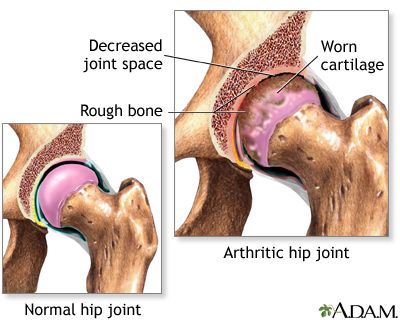
Hip OA is a degenerative joint condition characterized by progressive changes to the articular cartilage, subchondral bone, labrum, and surrounding joint structures. Rather than cartilage simply “wearing out,” OA develops when the loads placed on the joint exceed the tissue’s ability to tolerate them over time.
Pathophysiology of Hip Osteoarthritis
Thinning and breakdown of articular cartilage
Joint space narrowing
Osteophyte (bone spur) formation
Increased joint stiffness and capsular thickening
Secondary changes in muscle activation and movement patterns
The tendon tissue becomes acutely inflamed.
Symptom Presentation of Hip Osteoarthritis
Deep groin or anterior hip pain
Stiffness, especially in the morning or after sitting
Reduced Hip mobility and flexibility
Catching, clicking, or a sense of “blockage” in the joint
Importantly, symptoms often lag behind structural changes, meaning movement dysfunction may be present for years before pain appears.
The Hip Labrum: A Key Player in Joint Health
The hip labrum is a fibrocartilaginous ring that deepens the acetabulum and serves several essential functions:
Enhances joint stability
Distributes load across the articular surfaces
Maintains the suction seal that preserves joint lubrication and pressure
A healthy labrum helps ensure that forces are evenly dispersed across the hip joint during movement. When the labrum is compromised, joint mechanics change significantly.
How Labral Tears Contribute to Hip Osteoarthritis
Hip labral tears are now recognized as one of the leading structural factors contributing to early hip osteoarthritis, particularly in active adults.
When the labrum is torn:
The suction seal is disrupted
Joint contact pressures increase
Load becomes concentrated on smaller areas of cartilage
Micro-instability develops within the joint
Over time, these altered mechanics accelerate cartilage breakdown and bony adaptation, setting the stage for osteoarthritis.
Labral tears often develop secondary to:
Femoroacetabular impingement (FAI)
Repetitive end-range hip motion
Poor lumbopelvic control
Chronic overuse without adequate variability or load management
Many clients with labral tears continue to move—and even exercise—without pain initially, unknowingly reinforcing movement patterns that increase joint stress.
Key Exercises and Modifications for Hip Osteoarthritis
Why This Matters for Pilates Teachers
Pilates teachers are uniquely positioned to influence joint loading patterns before irreversible damage occurs. However, deep hip flexion, aggressive or end range stretching can unintentionally increase compressive forces in a hip already experiencing labral compromise.
Key movement red flags include:
Limited hip range of motion , especially internal rotation and extension
Clicking or catching sensations during movement
Delayed groping pain after pilates sessions
Without thoughtful modification, these patterns can contribute to the progression from labral pathology to early OA.
Examples of pilates exercise modifications include:
Shorter lever arm: Thighs-in-straps, versus feet-in-straps
Decreased Load: Non- to low weight-bearing leg strengthening i.e.: reformer footwork versus upright squats
Careful hip mobilization without provoking symptoms
Hip strengthening without load: Side-lying hip series on mat, reformer or cadillac
By recognizing early signs of labral involvement and understanding its role in OA development, Pilates professionals can play a powerful role in slowing disease progression and preserving function for their client.
Our students love us
CIA has been transformative in how I approach my sessions with clients. The curriculum provides so much information on how to best serve clients with a varying range of needs and the “why” behind each exercise we guide them through.
ISABEL ALFARO
This course offers a clear, practical understanding of common injuries. It gave me greater confidence in safely supporting and progressing clients in both private sessions and group classes.
AMITY RETUTA
Created with
Login or sign up to start learningLogin to start learning