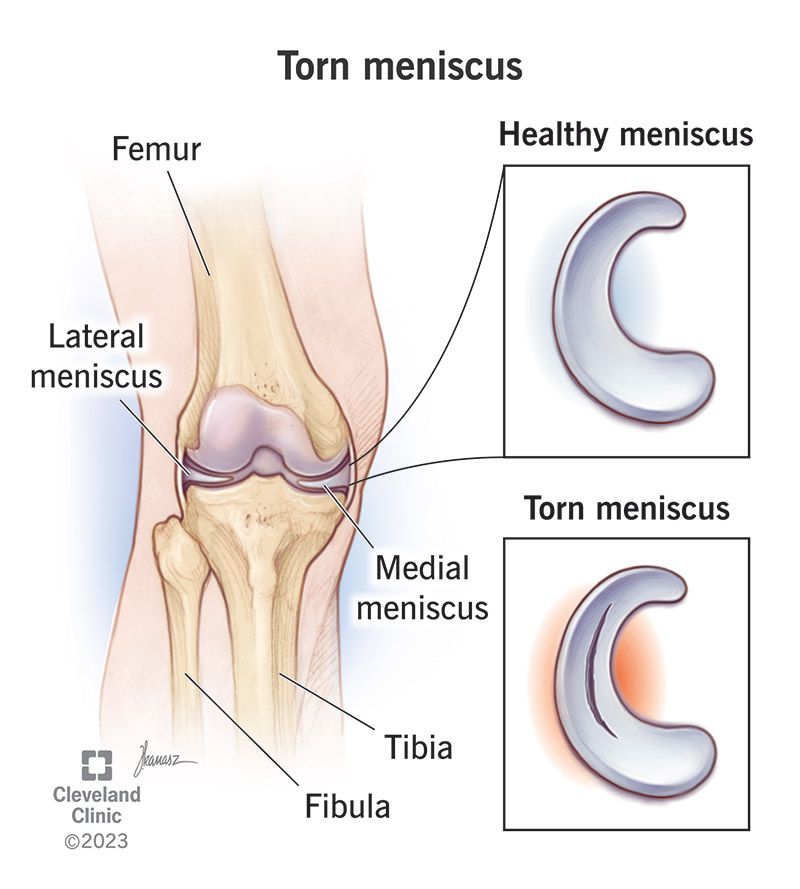
The knee is a complex, weight-bearing joint responsible for mobility, load distribution, and shock absorption during daily and athletic activities. At the heart of its function are the medial and lateral menisci, crescent-shaped fibrocartilaginous structures that cushion and stabilize the joint.
Meniscal injuries are common, especially in active individuals and aging populations, and can significantly impair function. For rehabilitative pilates instructors, understanding meniscus pathology and designing appropriate interventions is critical for effective recovery.
What Are Meniscus Tears?
Each knee contains two menisci: the medial meniscus, which is less mobile and more commonly injured, and the lateral meniscus, which is slightly more mobile. These structures increase joint congruency, distribute load, and enhance proprioception.
Pathophysiology of Knee Meniscus Tears
Traumatic events, such as twisting on a bent knee during sports
Degenerative changes, often linked to age, overuse, or prior joint dysfunction Tears vary in type and severity:
Longitudinal or bucket-handle tears are more common in younger individuals with acute injuries
Radial, horizontal, or complex degenerative tears often affect older adults
Root tears can destabilize the entire meniscus and are increasingly recognized as clinically significant
Symptom Presentation of Knee Meniscus Tears
Joint line pain & swelling
Mechanical locking & clicking of the knee
Reduced range of motion of the joint.
Many meniscal injuries, especially degenerative ones, respond well to conservative, exercise-based treatment rather than surgery.
How Can We Help as Pilates Instructors?
The goal of rehabilitation is to reduce symptoms, restore strength and mobility, and prevent future injury. Pilates offers a unique, low-impact framework for retraining movement, emphasizing alignment, neuromuscular control, and muscle balance.
Key Rehabilitation Priorities Include:
Managing inflammation and pain.
Strengthening the quadriceps, hamstrings, and gluteals.
Restoring joint mobility without aggravating symptoms.
Improving proprioception and control during weight-bearing tasks.
Effective Pilates Exercises for Knee Meniscus
1. Supported Quadriceps Activation:
Light reformer footwork with a small range builds strength without overloading the knee.
Terminal knee extension, (avoiding end range or tightness), promote blood flow and activation.
2. Restoring Hip Mobility:
Gluteal stretches will improve hip rotation, distributing forces more evenly across the knee joint, which will reduce stress on the meniscus.
3. Posterior Chain Engagement:
Bridge variations help build gluteal strength while supporting the knee.
Side-lying leg work improving hip strength and alignment control.
4. Closed-Chain Strengthening:
Gait & balance training on the CoreAlign target the quadriceps with less strain, progression to sagittal plane lunges, lastly progress to frontal/lateral plane lunges and squats.
Seated and standing leg pumps on the chair reinforce safe loading and alignment when properly cued.
Exercises to Avoid or Modify Early in Recovery
Certain movements may stress the healing meniscus if introduced too early or performed without adequate control.
1. Deep Knee Flexion Positions: Movements like deep squats or kneeling thigh stretch can compress the posterior meniscus.
2. Loaded Knee Rotation: Exercises involving twisting in a flexed position will, for example standing rotation disc exercises, strain the joint unnecessarily.
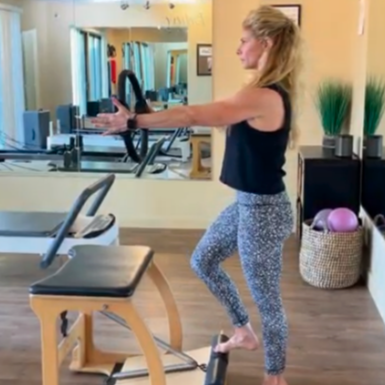
3. Excessive Load & Weight-bearing: Jumpboard work, quick transitions, or unsupported single-leg exercises should be avoided until client is approaching advanced stages with full strength and control.
4. Hyperextension of the Knees (Locking): Avoid end-range/locking movements during feet-in-straps exercises & standing work.
Key Takeaways for Pilates Instructors
Meniscus injuries require a thoughtful, phase-based approach to exercise. With a deep understanding of knee biomechanics and healing timelines, Pilates-based rehabilitation offers a safe and effective way to regain mobility, build strength, and reduce the risk of re-injury.
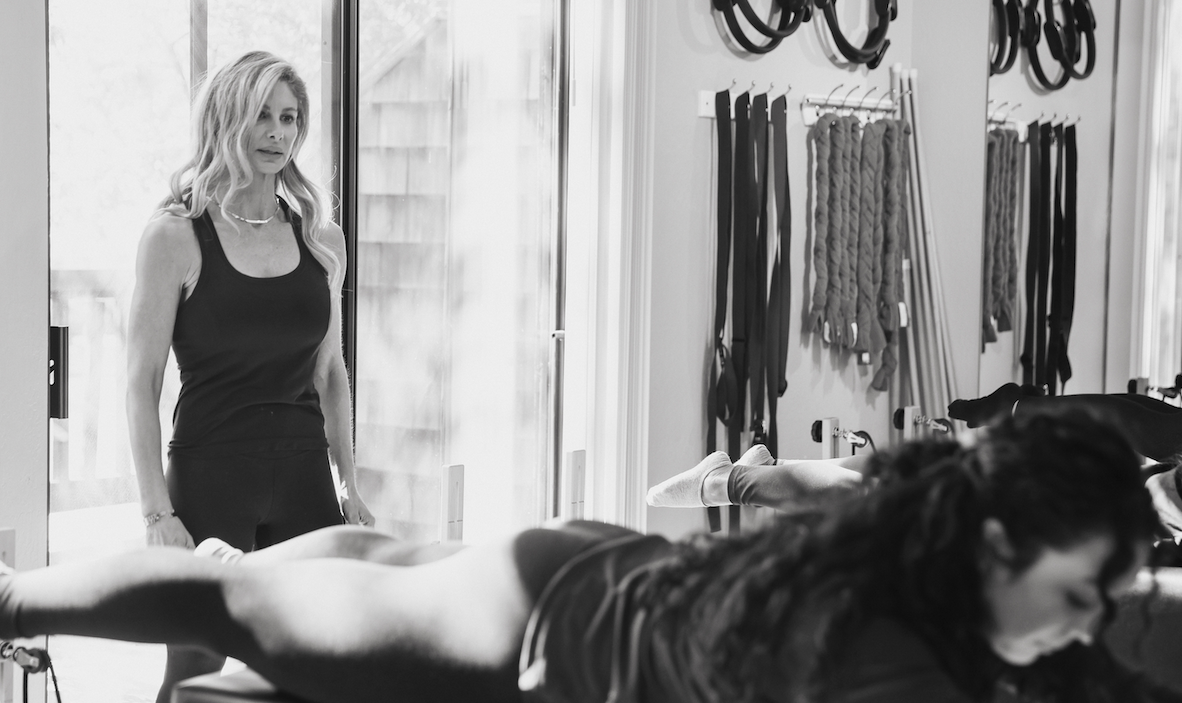
For professionals working with clients recovering from meniscus tears, knowing which movements to emphasize and which to modify is essential. With careful observation and purposeful cueing, Pilates can support long-term joint health and functional recovery.
Created with
Login or sign up to start learningLogin to start learning