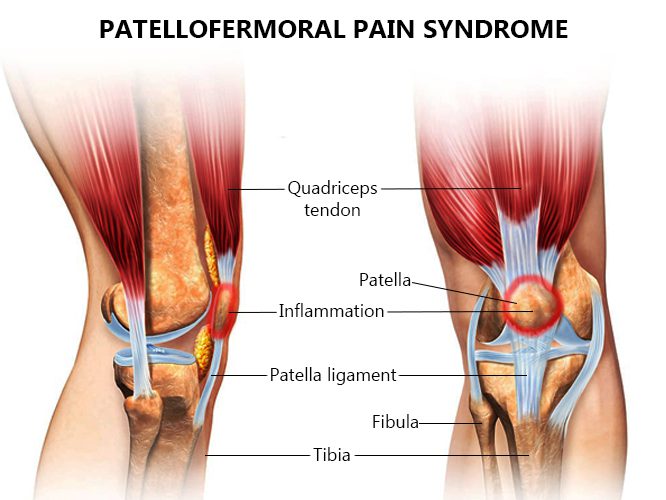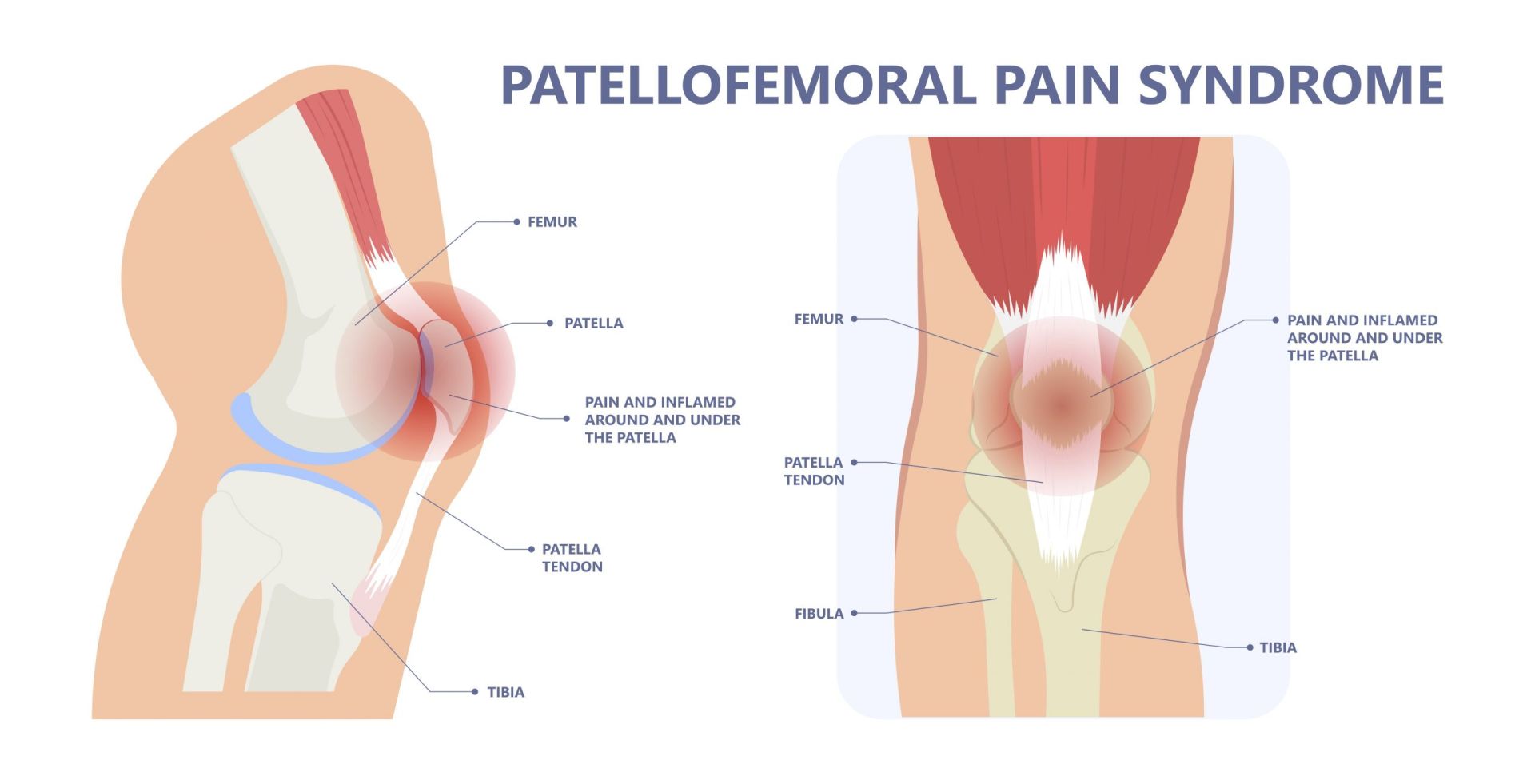
PFPS typically presents as diffuse pain at the front of the knee, aggravated by:
- Prolonged sitting
- Stairs or hill walking
- Squatting and kneeling
It is often caused by:
- Poor patellar tracking (usually lateral)
- Weakness in the quadriceps or glutes
- Overuse or repetitive strain
- Hip and foot biomechanics contributing to knee misalignment
While structurally intact, the joint becomes irritated due to dysfunctional loading patterns. Conservative movement-based interventions are the preferred first line of treatment, making Pilates a powerful and accessible tool in recovery.
Pilates focuses on alignment, controlled mobility, and targeted strength. These qualities are critical in managing PFPS. The goal is to reduce stress on the patellofemoral joint while improving muscular support and movement mechanics.
Key Rehabilitation Priorities Include:
1. Activating the Core- Transversus Abdominis Activation: Foundational core control stabilizes the pelvis and supports femoral alignment.
2. Improving Hip & Gluteal Strength
• Side-Lying Hip Series: Targets the gluteus medius to improve lateral stability and femoral tracking.
• Bridge Series: Promotes posterior chain engagement while avoiding anterior knee strain.
3. Enhancing Alignment & and Quadricep Activation in Functional Movement
• Mini-Squats (not exceeding 60 degrees of flexion): Encourage knee tracking with verbal cueing and external support.
• Unilateral Footwork on the Reformer: Reinforces balanced load and control without excessive strain.
• Standing Balance Work: Builds control through the kinetic chain with low impact.
1. Deep Knee Flexion (greater than 90 degrees): avoid deep squats, kneeling, or lunges during the early phase of recovery.
2. Kneeling Without Support: direct pressure on the patella may aggravate symptoms.
3. Dynamic or High-Load Exercises: jumpboard or footwork with heavy spring loads, (particularly single leg), can overload the joint if introduced too soon.
With a solid understanding of patellofemoral mechanics and appropriate progression, Pilates offers a safe and effective path toward recovery from PFPS. Emphasizing core control, gluteal strength, and lower extremity tracking instructors can guide clients through low-impact exercises that restore balance, reduce pain, and prevent recurrence.
Thoughtful cueing, modified ranges, and gradual load progression are key. With these tools, Pilates becomes a valuable ally in managing knee pain and restoring confident movement