
Understanding Lumbar Flexion
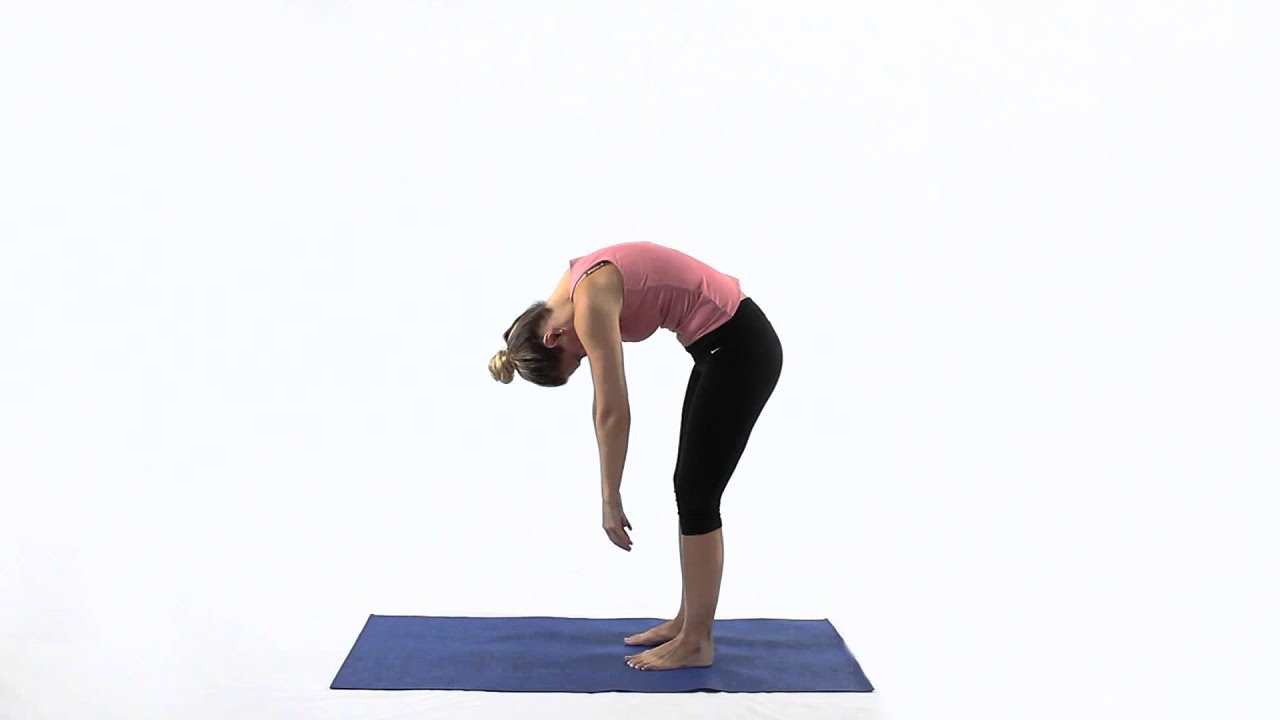
The roll-down involves a sequential flexion of the spine, beginning with the cervical and thoracic segments, eventually reaching the lumbar spine. In healthy individuals, this movement can help with spinal mobility and release tension. But for clients with certain types of back pain, especially those involving the lumbar discs, ligaments, or nerve roots, flexion can be provocative or even dangerous.
When Flexion Becomes a Problem
1. Flexion-Intolerant Back Pain
Many people with low back pain are flexion-intolerant. This is particularly common in those with:
In these cases, flexion (especially under load) pushes the disc material backwards, potentially increasing nerve compression or disc bulging. The roll down, especially repeated or poorly controlled, can irritate these structures further and prolong recovery.
Many people with low back pain are flexion-intolerant. This is particularly common in those with:
- Herniated or bulging discs
- Sciatia or nerve root irritation
In these cases, flexion (especially under load) pushes the disc material backwards, potentially increasing nerve compression or disc bulging. The roll down, especially repeated or poorly controlled, can irritate these structures further and prolong recovery.
2. Poor Segmental Control
Clients with low back pain often have impaired motor control, especially in the deep stabilizing muscles like the transversus abdominis and multifidus. Instead of segmentally articulating the spine in a controlled way, they may "hinge" at one or two lumbar segments. This creates localized stress, often at the most vulnerable parts of the spine — like L4-L5 or L5-S1.
Over time, this kind of movement strategy can lead to micro-instability, muscle guarding, or aggravation of pain.
Over time, this kind of movement strategy can lead to micro-instability, muscle guarding, or aggravation of pain.
3. Ligamentous and Fascial Strain
Repeated spinal flexion can place strain on the posterior ligaments and fascia, such as the supraspinous ligament and thoracolumbar fascia. These structures can undergo creep, a phenomenon where soft tissues gradually elongate under sustained load. This can leave the spine vulnerable to further strain and instability, especially if active support from the core is lacking.
4. Faulty Movement Patterns
Repeated spinal flexion can place strain on the posterior ligaments and fascia, such as the supraspinous ligament and thoracolumbar fascia. These structures can undergo creep, a phenomenon where soft tissues gradually elongate under sustained load. This can leave the spine vulnerable to further strain and instability, especially if active support from the core is lacking.
4. Faulty Movement Patterns
Some clients initiate the roll down incorrectly, leading with the lumbar spine instead of gradually segmenting through the thoracic and lumbar curves. This often results in excessive lumbar flexion early in the movement, increasing mechanical stress on already irritated structures.
When Should You Avoid the Roll-Down?
Safer Alternatives and Progressions
Key Takeaways
Created with