
What Is Tendinitis?
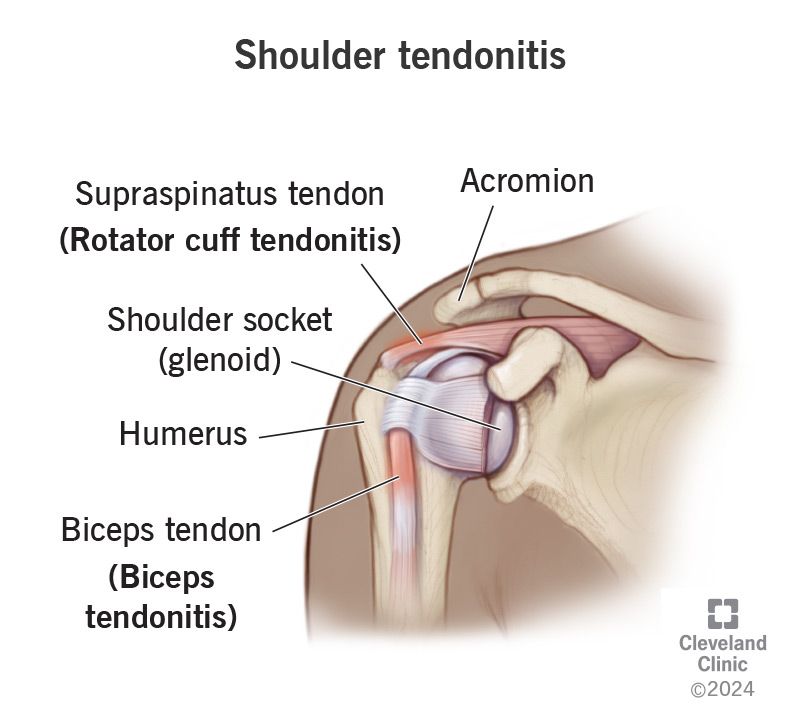
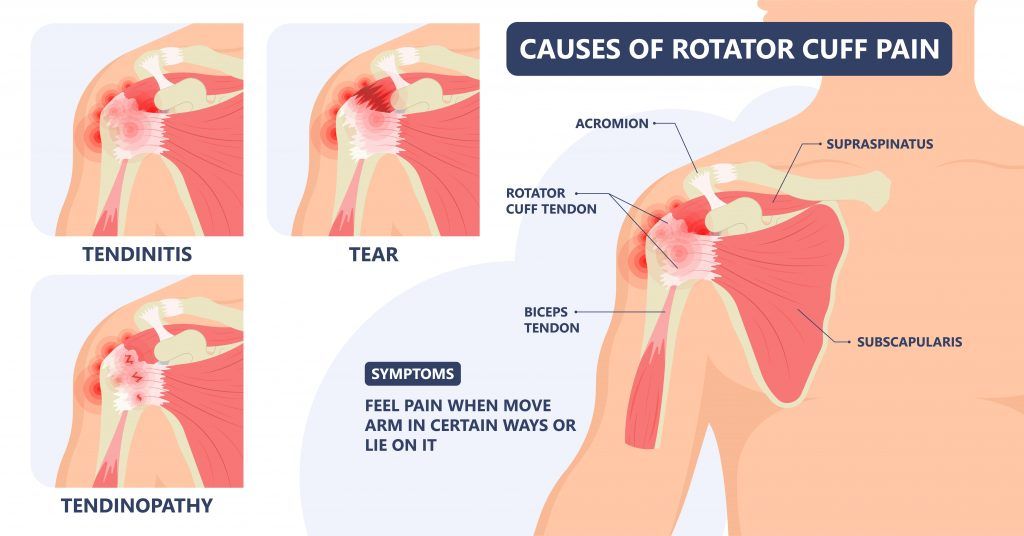
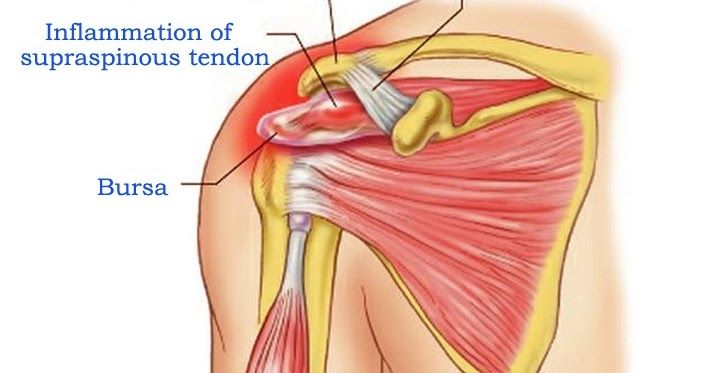
Rotator cuff tendinitis is an acute inflammatory condition affecting one or more of the rotator cuff tendons—most commonly the supraspinatus. It occurs when a tendon is exposed to a recent overload, irritation, or compression that exceeds its short-term capacity.
Unlike tendinopathy, tendinitis involves true inflammation and is typically short-term and reversible when appropriately managed.
Pathophysiology of Rotator Cuff Tendinitis
Mechanisms of Injury in Tendinitis
Symptom Presentation of Tendinitis
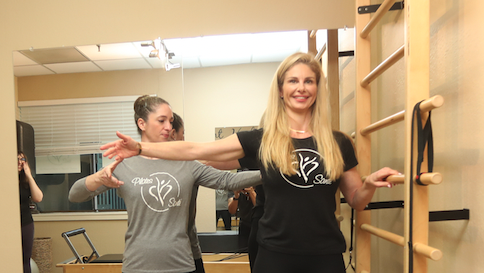
Pilates Exercise Examples for Tendinitis
What Is Tendinopathy?
Rotator cuff tendinopathy is a chronic, degenerative condition of one or more rotator cuff tendons (most commonly the supraspinatus, but also the infraspinatus, teres minor, and subscapularis).
It is characterized by impaired tendon structure, reduced load tolerance, and pain with movement — not acute inflammation.
Unlike tendinitis, tendinopathy reflects long-standing overload, compression, or poor movement mechanics that exceed the tendon’s ability to adapt.
Pathophysiology of Rotator Cuff Tendinopathy
- Tendon fibers become disorganized and weaker.
- Collagen quality is reduced.
- The tendon becomes less tolerant of tensile and compressive loads.
- Inflammation is minimal or absent.
The key problem is load intolerance — not inflammation.
Mechanisms of Injury in Tendinopathy
- Repetitive overload.
- Repeated or sustained overhead work without adequate recovery.
- Poor scapular mechanics.
- Altered glenohumeral mechanics.
- Tendon compression under the acromion.
Symptom Presentation of Tendinopathy
- Anterior and/or lateral shoulder pain.
- Pain when lifting or lowering the arm.
- Pain reaching behind the back.
- Functional weakness due to pain or inhibition.
- Pain above shoulder height.
- Difficulty sleeping on the affected side.
- Referred discomfort into the neck or upper arm due to compensation.
Pilates Exercise Examples for Tendinopathy
Key Takeaways for Pilates Teachers
Tendinitis = inflammation + irritation.
- Reduce load, avoid compression and prioritize calm movement.
Tendinopathy = degeneration + load intolerance.
- Progressive loading is essential, not rest alone.
Pain behavior, onset, and response to movement are critical clues. When in doubt, collaborate with a physical therapist.
Understanding these distinctions allows Pilates teachers to move beyond “pain avoidance” and toward informed, tissue-respectful programming that truly supports shoulder health.
Created with