
Understanding Programming for Supporting Clients with Knee Osteoarthritis

Aug 19 / Ariel Lehaitre
Knee osteoarthritis (OA) is a common degenerative joint condition that affects the cartilage and other structures within the knee. As the joint changes over time, clients may experience pain, stiffness, reduced mobility, and difficulty with everyday activities.
Knee OA is particularly common with aging, previous knee injuries, repetitive loading, and changes in lower extremity mechanics.
Pilates instructors are uniquely positioned to help clients maintain strength, mobility, balance, and confidence while reducing unnecessary stress on the knee joint.

What is Knee Osteoarthritis?
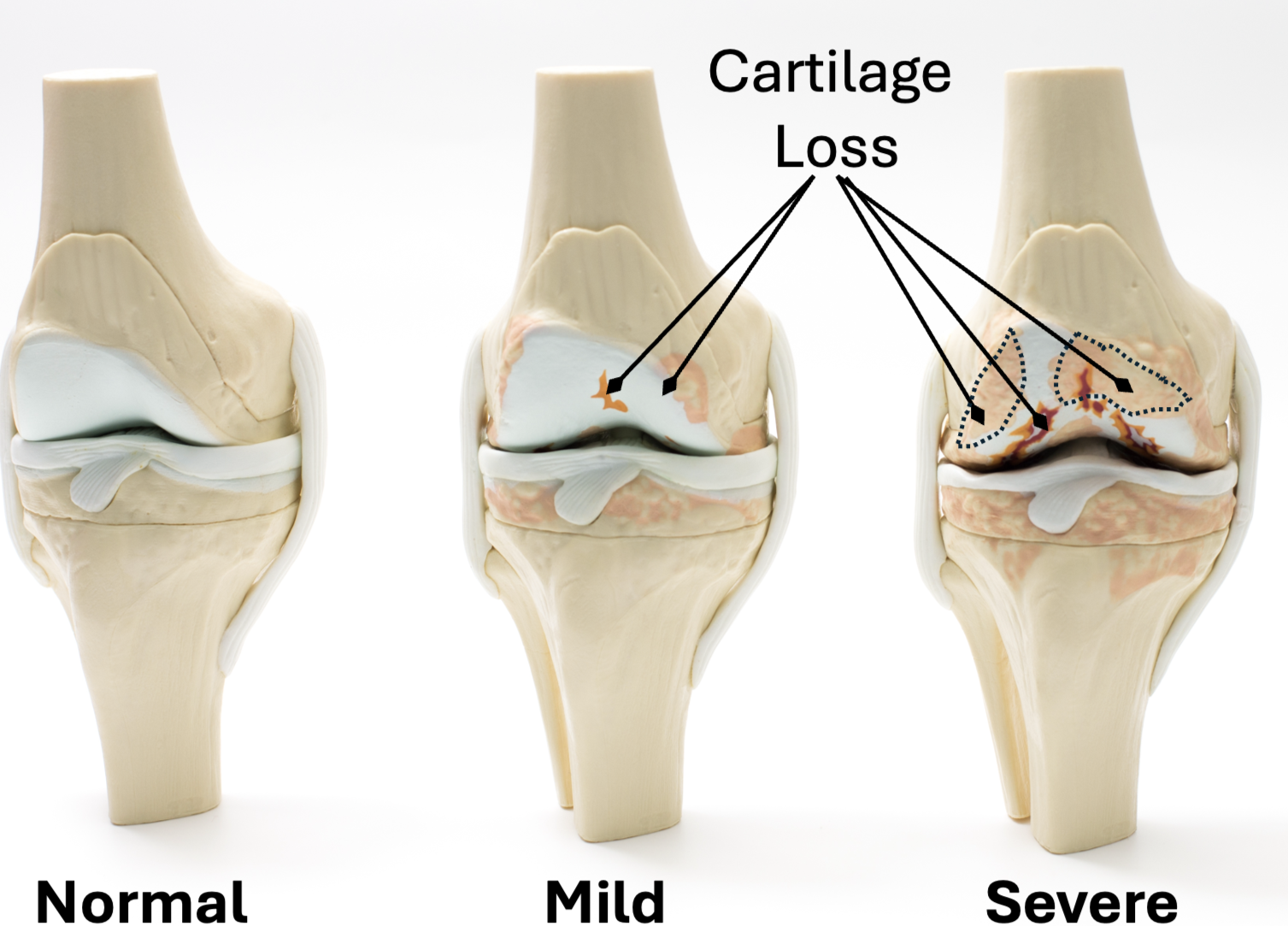
Knee OA occurs when the tissues within the knee joint gradually change and the joint becomes less able to tolerate certain loads. Symptoms can vary significantly between individuals and may include:

  • Knee pain: Often described as aching or discomfort with weight-bearing activities
  • Stiffness: Particularly after prolonged sitting or inactivity
  • Reduced range of motion: Difficulty fully bending or straightening the knee
  • Swelling or sensitivity: Symptoms may increase following increased activity
  • Difficulty with functional activities: Such as stairs, squatting, walking, or getting up from a chair

Symptoms are often influenced by activity level, muscle strength, joint mobility, and how load is distributed through the lower extremity.

How Can We Help as Pilates Instructors?

Pilates focuses on controlled movement, strength, alignment, and mobility. These qualities are important when working with clients with knee OA.
The goal is not to avoid movement, but to help clients move within a tolerable range while gradually improving strength and functional capacity.

Key Rehabilitation Priorities Include:

Write your awesome label here.
1. Improving Lower Extremity Strength
Bridge Series
Side-Lying Hip Series
Reformer Footwork
Write your awesome label here.
2. Improving Knee & Hip Alignment
Mini-Squats
Sit-to-Stand Practice
Standing Balance Work

1. Improving Ankle Mobility

Exercises to Modify or Avoid Early in Recovery

1. Deep Knee Flexion: Deep squats, lunges, or other exercises requiring significant knee flexion may increase symptoms and should be modified as needed.

2. High-Impact Activities: Jumping and repetitive impact may aggravate symptoms, particularly during a flare-up or when strength and tolerance are limited.

3. Heavy Resistance Too Soon: Heavy spring loads, particularly during single-leg exercises, may place more demand on the knee than the client can currently tolerate.

Key Takeaways for Pilates Instructors
Knee osteoarthritis does not mean a client should stop exercising or avoid loading the knee. With appropriate modifications and gradual progression, Pilates can help clients maintain strength, mobility, balance, and confidence. Focus on lower extremity strength, hip and knee alignment, controlled ankle mobility, and gradual load progression.

Thoughtful cueing, appropriate ranges, and individualized resistance allow Pilates instructors to support clients with knee OA while helping them stay active and confident in their movement.
Created with